Introduction
Short bob haircuts for wavy hair bring together a compact silhouette and the effortless movement created by natural bends. Sitting anywhere from the cheekbones to just below the jaw, these cuts can make waves appear more defined because shorter lengths remove some of the weight that stretches texture downward. Thoughtful shaping also keeps the finished bob balanced rather than overly bulky.
The beauty of a short wavy bob is its versatility. Strong perimeters can make fine hair appear fuller, while internal layers help dense waves move more freely. Bangs, asymmetry, graduation, and subtle texture can further personalize the shape. These 13 ideas offer distinctive options for creating short hair that feels lively, manageable, and naturally expressive.
The Texture-Friendly Shape That Keeps Short Wavy Bobs Current
Short wavy bobs remain appealing because natural movement prevents their compact shape from feeling rigid. Individual bends create dimension across the surface, while the bob’s stronger outline provides enough structure to keep those variations intentional. This balance works across many densities and wave patterns.
The haircut can also evolve without losing its recognizable character. Fringe can grow longer, layers can become softer, and jaw-length shapes can transition toward lobs. Because waves naturally disguise minor differences in length, the style can remain attractive throughout several stages of growth.
Jaw-Length Tousled Wavy Bob
A jaw-length bob gives natural waves enough room to form while maintaining a crisp, compact silhouette. Gentle texturing can prevent the shape from becoming too solid, while retaining a substantial perimeter ensures the haircut still looks full and intentionally structured.
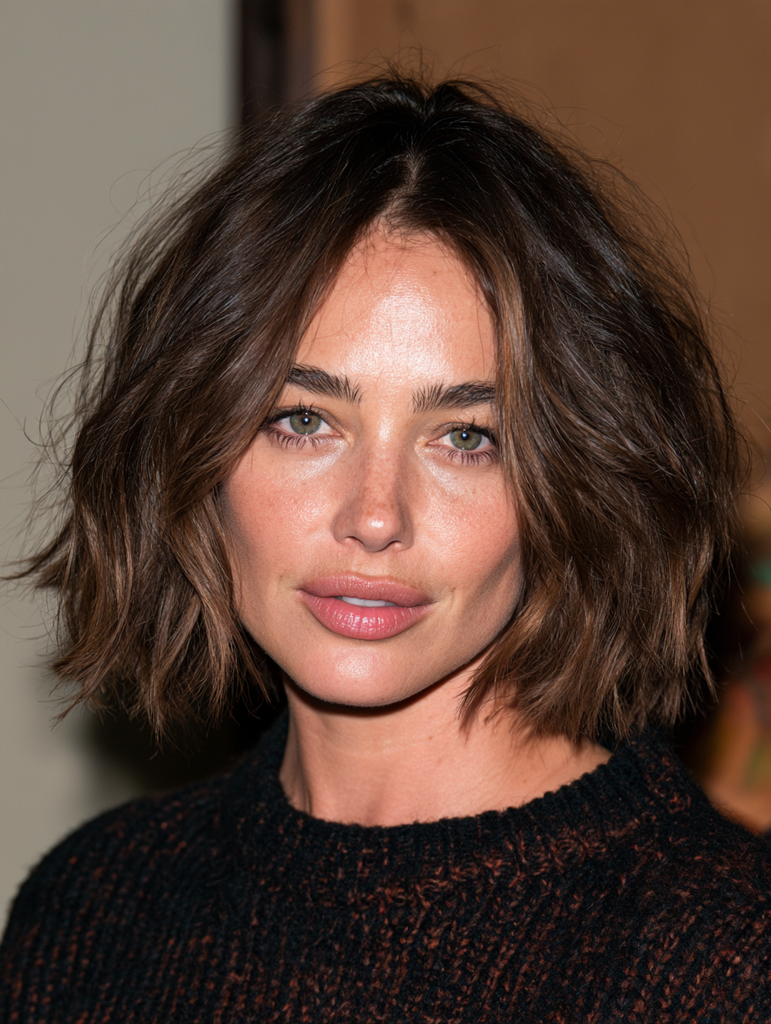
Apply lightweight wave cream through damp lengths and scrunch gently before air-drying or diffusing. Allow individual sections to bend differently rather than creating a perfectly uniform pattern. The resulting texture gives this short bob an easygoing personality while keeping enough definition for polished everyday styling.
Short French Bob With Waves
A short French bob typically finishes around the jaw and gains beautiful softness when natural waves interrupt its structured outline. Keeping the layering restrained allows the ends to remain substantial, while the wave pattern supplies movement without requiring extensive texturizing.
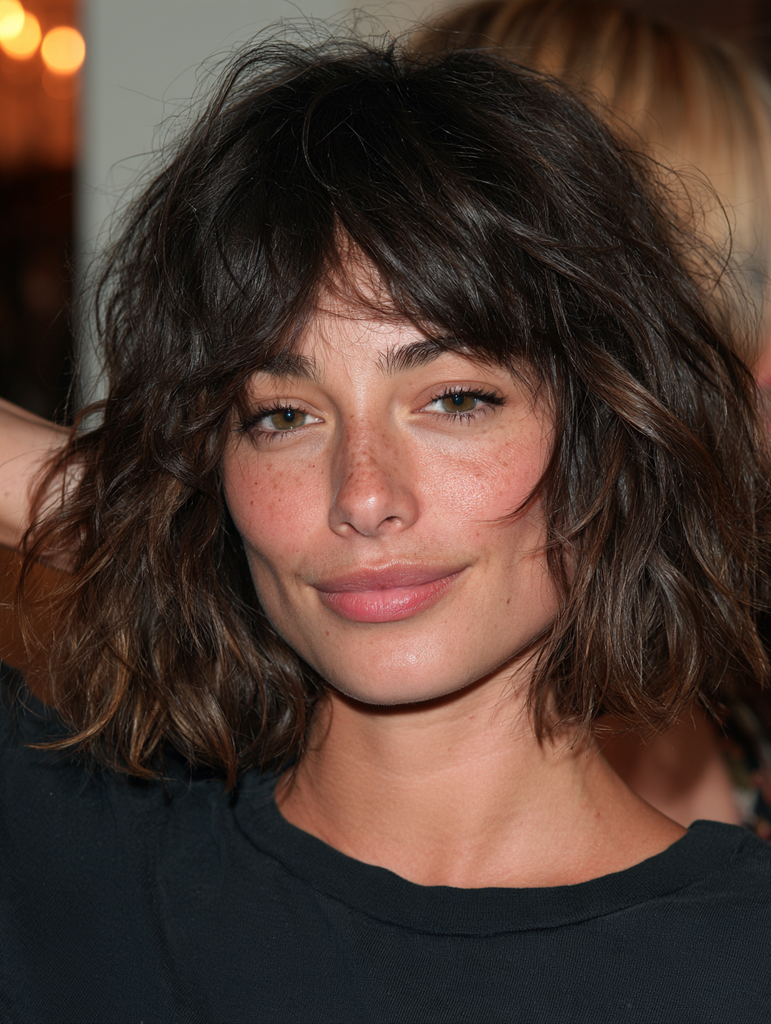
A light fringe can complement the compact length, although the haircut also works beautifully without bangs. Encourage the waves with your fingers and keep finishing products flexible. This combination of strong shape and relaxed texture creates a distinctive bob that feels sophisticated without requiring every section to sit perfectly.
Short Layered Wavy Bob
Strategic layers help natural waves develop more freely by reducing weight from selected sections. Keeping those layers connected prevents the haircut from becoming overly shaggy, while shorter crown pieces can provide useful elevation and movement throughout the compact bob.

Use lightweight mousse or wave-enhancing cream and gently scrunch the layers upward while drying. Avoid heavily separating every section because maintaining some connection helps preserve fullness. This balanced layering approach gives wavy hair noticeable dimension while retaining enough structure for the haircut to look polished between styling days.
Wavy Bob With Wispy Bangs
Wispy bangs provide light forehead framing without creating the heaviness of a dense straight-across fringe. Their delicate texture blends naturally into a short wavy bob, creating softness around the face while allowing the main haircut to retain plenty of movement.

Shape the fringe gently while damp and avoid forcing it completely straight when the surrounding hair remains textured. Allow a slight bend to connect it visually with the waves. Keeping styling products light prevents the bangs from separating excessively, resulting in a soft and cohesive finish.
Short Inverted Wavy Bob
A short inverted bob uses gentle graduation through the back before extending slightly longer toward the front. Natural waves soften this architectural shape, creating a lively contrast between the structured angle and the irregular movement across the haircut’s surface.

Lift the crown gently while drying and encourage the longer front sections to bend naturally. Avoid creating excessive volume through the graduated back because the waves already provide dimension. Keeping the forward angle visible gives this short bob definition while allowing its natural texture to remain relaxed and touchable.
Side-Parted Short Wavy Bob
A deeper side part creates immediate asymmetry and can encourage natural root lift through one side of a short wavy bob. The shifted volume gives the hairstyle a more dynamic silhouette without requiring significant additional layering or complicated daily styling.

Create the part while the roots remain damp, then encourage the heavier section upward before allowing it to fall naturally. Keep the wave pattern relaxed and varied throughout the ends. This simple adjustment can completely refresh a basic short bob while preserving the carefree movement of naturally wavy hair.
Blunt Short Bob With Loose Waves
A blunt perimeter creates a clean, substantial baseline beneath loose waves, producing an attractive contrast between structured ends and soft surface movement. This approach can work particularly well when finer wavy hair needs the visual fullness created by stronger, less-layered ends.

Keep the wave pattern broad rather than tightly defined so the crisp perimeter remains visible. Lightweight mousse can provide enough support without making the haircut rigid. The combination feels polished yet relaxed, offering an easy way to enjoy texture while maintaining the unmistakable structure of a classic short bob.
Short Shaggy Wavy Bob
A shaggy wavy bob introduces irregular layers that amplify natural texture and create lively movement through the crown. Keeping the overall length compact prevents the style from becoming overwhelming, while a reasonably substantial lower outline helps maintain visual balance.

Finger-dry the layers in different directions and allow the natural bends to determine much of the final shape. A small amount of texture spray can provide additional separation when necessary. This intentionally undone finish makes irregular waves an essential part of the haircut rather than something requiring correction.
Rounded Short Wavy Bob
A rounded bob creates gentle fullness around the head while natural waves prevent its curved silhouette from appearing overly precise. Subtle internal shaping can control bulk without disrupting the smooth outer outline, making this style adaptable to thicker wavy textures.

Use a round brush only where additional control is needed, then allow selected sections to retain their natural bends. Avoid creating identical curves throughout the haircut. Slight variation gives the rounded shape a contemporary quality while maintaining the softness and polish that make this bob so wearable.
Asymmetrical Short Wavy Bob
Contrasting lengths give an asymmetrical bob immediate personality, while natural waves soften the stronger geometry of the haircut. One side can sit near the cheekbone or jaw while the opposite section falls slightly longer, creating distinctive diagonal movement around the face.

A deep side part can strengthen the uneven silhouette and provide extra crown lift. Encourage the longer side to retain greater movement while keeping the shorter section more controlled. This creative approach delivers noticeable style without sacrificing the natural softness associated with wavy texture.
Short Wavy Bob With Curtain Fringe
Curtain fringe creates an open frame around the forehead while gradually blending into the sides of a short wavy bob. Keeping the bangs long enough to bend naturally prevents them from appearing disconnected from the surrounding texture.

Direct the fringe away from the center using your fingers or a small round brush. Allow the remaining waves to dry with softer variation rather than uniform curls. This face-framing detail adds movement near the front while maintaining the relaxed character that makes short wavy bobs particularly appealing.
Graduated Short Wavy Bob
Gentle graduation through the back can provide shape and support while maintaining slightly longer sections around the front. With wavy hair, the stacked structure becomes softer and less geometric, producing volume that feels natural rather than carefully sculpted.

Keep the graduation controlled so the back does not become excessively rounded. Encourage waves through the outer sections and allow several ends to remain less defined. This combination provides useful structure while preserving enough irregular movement for the hairstyle to remain fresh, flexible, and comfortably casual.
Short Wavy Bixie Bob
A wavy bixie bob blends the shorter proportions of a pixie with the softer front and side lengths associated with a bob. Natural waves add movement through the crown, while the compact back keeps the overall haircut light and easy to manage.

Finger-style the upper sections and let the longer front pieces bend naturally around the face. One side can be tucked behind the ear for quick variation. This playful hybrid provides plenty of texture while offering a noticeably shorter alternative to conventional jaw-length bob haircuts.
How to Style Short Bob Haircuts for Wavy Hair
Work with the natural wave pattern instead of repeatedly straightening and rebuilding it. Apply lightweight mousse, wave cream, or another flexible styling product while the hair is damp. Scrunch gently, then air-dry or diffuse with minimal disturbance to preserve definition and reduce unnecessary expansion.
Layering should reflect density as well as texture. Fine wavy hair may benefit from stronger ends and fewer layers, while thick waves can need internal weight removal for better movement. When individual sections dry inconsistently, refining only those areas with a few broad bends is often easier than restyling the entire bob.
Final Thoughts
Short bob haircuts for wavy hair can range from clean and structured to tousled, shaggy, rounded, or asymmetrical. Their compact length allows natural waves to become more noticeable, while thoughtful layering and perimeter choices provide enough control to maintain an intentional silhouette.
The strongest haircut should complement your individual wave pattern, density, face shape, and preferred maintenance routine. Perfectly uniform texture is unnecessary. Natural variation gives short bobs character, and strategic shaping can transform those different bends into a hairstyle that feels distinctive, manageable, and effortlessly stylish.
