Introduction
Layered haircuts for thin hair over 60 can create movement, shape, and the appearance of greater fullness when the layers are positioned carefully. The goal is not to remove large amounts of hair, but to introduce strategic elevation while maintaining enough density through the ends. Soft layering can also keep shorter and medium-length cuts from looking flat or overly rigid.
Choosing the right layering technique matters especially with thinner hair. Too many short layers can reduce valuable fullness, while restrained crown layers, face-framing pieces, and stronger perimeters can create better balance. These 13 haircut ideas explore pixies, bobs, lobs, and medium styles designed to make thin hair feel lighter, livelier, and easier to shape.
The Thoughtful Layering That Gives Fine Silhouettes Staying Power
Layered cuts remain useful because they can be adjusted according to changing density, texture, and preferred length. Instead of depending on dramatic trends, effective layering focuses on proportion. Carefully placed shorter sections can encourage lift, while stronger ends help preserve the visual substance of thinner hair.
This balance also allows hairstyles to evolve naturally. A layered pixie can grow toward a bixie, while a short bob can transition into a longer lob without losing its underlying shape. That flexibility makes strategic layering a practical foundation for maintaining movement and versatility over time.
Soft Layered Pixie With Crown Lift
Short crown layers can encourage thin hair to sit slightly higher instead of falling flat against the scalp. Keeping the sides softly tapered prevents unnecessary width, while additional length through the top provides enough hair for gentle movement and flexible styling.

Blow-dry the crown upward with your fingers or a small brush, then direct the front slightly sideways. Use lightweight volumizing product rather than heavy wax that can separate delicate strands excessively. The result is a neat pixie with natural-looking lift that remains practical for everyday styling.
Layered Chin-Length Bob
A chin-length bob provides a strong perimeter that helps thin hair maintain visible fullness around the ends. Subtle internal layers introduce movement without sacrificing too much density, creating a balanced shape that feels softer than a completely blunt cut.

Keep most layers relatively long and concentrate movement around the crown or face. A gentle blow-dry can provide root elevation, while softly curved ends reinforce the bob’s shape. This restrained approach creates dimension without making thinner strands appear unnecessarily wispy, disconnected, or difficult to manage.
Feathered Pixie Bob
A feathered pixie bob combines compact back sections with slightly longer layers around the crown, temples, and front. Soft feathering introduces movement while preserving enough length to prevent thin hair from appearing excessively sparse through the outer silhouette.

Direct the upper layers away from the face using a small round brush or your fingertips. Keep styling products flexible and lightweight so the strands remain airy. This hybrid shape offers more softness than a traditional pixie while retaining enough short-hair structure to make daily styling relatively quick and straightforward.
Layered Bob With Side-Swept Bangs
Side-swept bangs can blend into longer bob layers, creating diagonal movement that draws attention away from areas where hair appears flatter. Maintaining a substantial lower perimeter helps preserve fullness, while selective layering prevents the overall shape from becoming rigid.

Shape the fringe sideways while damp and create modest elevation through the crown. Avoid heavily thinning the bangs because retaining some density gives them a softer, more substantial appearance. This combination creates gentle framing while keeping the haircut polished, adaptable, and easy to personalize.
Short Stacked Bob With Soft Layers
Gentle stacking through the back can provide structural lift while longer surface layers keep the hairstyle smooth. For thin hair, restrained graduation is important because overly aggressive stacking may remove too much density from the lower sections.

Use a small round brush to encourage crown elevation and softly curve the ends inward. Keep the front slightly longer to preserve visual weight around the face. This carefully balanced shape can create a fuller-looking profile while maintaining enough perimeter strength for the bob to appear healthy, controlled, and naturally dimensional.
Layered Bixie With Wispy Fringe
A layered bixie combines the movement of a pixie with the softer length of a short bob. Light crown layers can provide elevation, while a wispy fringe introduces texture around the forehead without requiring a dense section of hair.

Apply a small amount of volumizing mousse before drying, then arrange the longer pieces using your fingers. Avoid separating every layer because keeping some sections connected preserves visual fullness. The resulting haircut feels airy and contemporary while remaining versatile enough for smooth, tousled, or gently side-swept finishes.
Collarbone Cut With Subtle Layers
A collarbone-length haircut provides enough length for versatility while subtle layering prevents thin hair from hanging completely flat. Keeping most of the perimeter relatively strong helps the ends appear fuller, while restrained face-framing pieces introduce gentle movement.

Style the hair with broad bends rather than numerous tight curls when additional body is desired. A center or side part can quickly alter the silhouette. Because the layers remain long, the haircut also works easily with ponytails, clips, and half-up styles while maintaining a smooth, uncomplicated grow-out.
Rounded Layered Bob
A rounded bob creates soft curvature around the head, while carefully positioned layers prevent the silhouette from becoming excessively flat. Maintaining fullness through the lower sections is especially useful for thin hair because a stronger perimeter can make the overall shape appear more substantial.

Blow-dry the ends gently inward and lift the roots without creating excessive height. Keep the surface smooth while allowing subtle movement through selected layers. This controlled approach provides softness and dimension without relying on aggressive texturizing, making the haircut both polished and relatively straightforward to maintain.
Short Shag With Light Layers
A short shag can work beautifully with thin hair when its layers remain soft rather than excessively fragmented. Gentle crown layering encourages movement, while longer sections around the sides and perimeter preserve enough density for the haircut to maintain visible fullness.

Use lightweight mousse and finger-dry the layers for an airy, relaxed finish. A soft fringe can add additional movement without requiring heavy styling. Keeping the shag restrained prevents the ends from appearing overly wispy, creating a lively silhouette that captures textured movement while respecting the naturally lower density of thinner hair.
Layered Lob With Face-Framing Pieces
A layered lob offers enough length to maintain substantial ends while introducing subtle movement around the face. Longer front pieces can begin near the cheekbones or jaw, creating softness without removing excessive density from the overall haircut.

Keep the interior layering minimal and concentrate styling at the roots and front sections. Broad waves can provide additional body when desired, while a straighter finish emphasizes the stronger perimeter. This versatile length also grows gracefully, making it practical for women who prefer fewer salon visits and several everyday styling possibilities.
Curved Bob With Crown Layers
A curved bob combines a softly rounded perimeter with carefully placed crown layers that encourage gentle elevation. The stronger lower outline preserves visual density, while the shorter upper sections prevent thin hair from sitting completely flat against the scalp.

Use a round brush to establish subtle root lift and direct the ends inward without overworking them. Lightweight volumizing spray can provide support while maintaining flexibility. The resulting haircut feels structured but not stiff, offering a refined way to introduce fullness without relying on excessive teasing, heavy products, or complicated styling.
Shoulder-Length Layers With Side Part
Shoulder-length hair can retain useful density while longer layers create enough movement to prevent the style from appearing heavy or flat. A side part naturally shifts volume toward one section, creating additional lift without requiring shorter crown layers throughout the haircut.
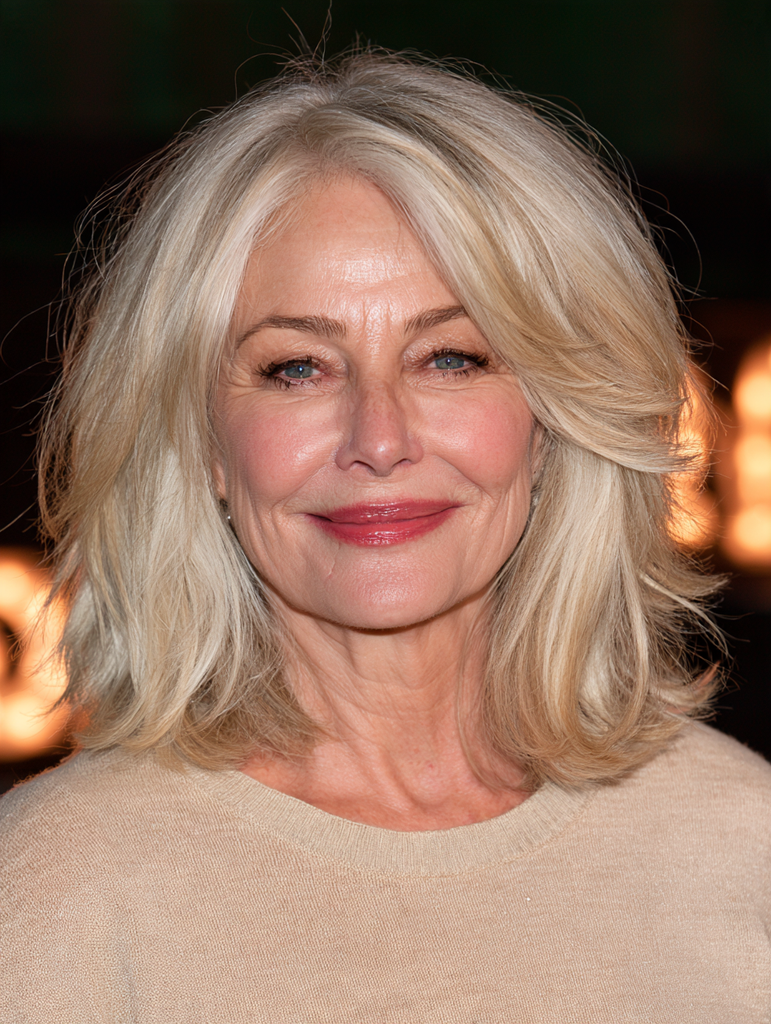
Blow-dry the roots gently away from the scalp and allow the lengths to remain relatively smooth. Soft bends through the ends can provide extra dimension when desired. This straightforward style preserves versatility while offering enough layering to keep thinner hair visually active and comfortably manageable.
Textured Bob With Airy Layers
An airy layered bob uses subtle texture to create separation without heavily reducing the density of thin hair. Keeping the ends relatively solid provides an important foundation, while light movement through the crown and front prevents the haircut from appearing static.
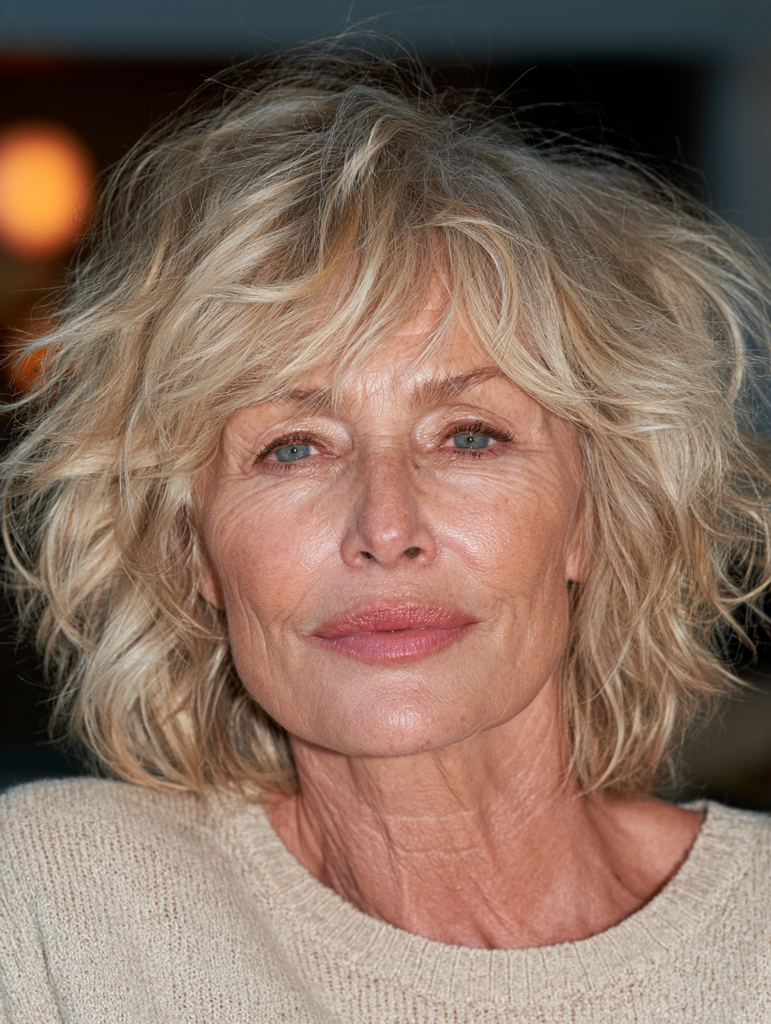
Apply volumizing product sparingly and finger-style selected sections during drying. Avoid heavy oils or dense creams near the roots because they can quickly flatten finer strands. This balanced approach creates a light, touchable finish while retaining the structural fullness that helps a shorter bob appear healthy and substantial.
How to Style Layered Haircuts for Thin Hair Over 60
Begin with lightweight products that support movement without coating delicate strands heavily. Volumizing mousse, root-lifting spray, or a light styling foam can provide useful structure. Directing the roots away from the scalp while drying can create noticeable lift without requiring excessive teasing or high heat.
Layer placement matters just as much as styling. Thin hair generally benefits from preserving density through the perimeter while introducing movement selectively. Discussing crown lift, longer face-framing pieces, restrained graduation, and your natural growth pattern with a stylist can help prevent excessive layering that leaves the ends unnecessarily sparse.
Final Thoughts
Layered haircuts for thin hair over 60 can create softness and dimension without sacrificing the density that finer strands need. Pixies provide crown lift, bobs maintain stronger perimeters, and longer layered cuts offer movement while preserving useful styling versatility.
The ideal haircut should reflect your actual density, texture, face shape, maintenance routine, and preferred length rather than age alone. Thoughtful layering works best when every shorter section serves a purpose. Preserving fullness while adding strategic movement can create a hairstyle that feels balanced, manageable, and naturally refreshed.
