Introduction
Low maintenance hairstyles for thick hair can make natural density feel like an advantage instead of something that demands constant styling. The most practical cuts distribute weight carefully, preserve enough length for control, and create shapes that still look intentional when air-dried. Strategic layers, tapered sections, and stronger perimeters can all help thick hair settle more naturally.
Low maintenance does not necessarily mean extremely short. Medium bobs, long layered cuts, shags, pixies, and collarbone styles can all reduce everyday effort when matched thoughtfully to natural texture. These 13 hairstyles offer different ways to manage fullness while maintaining movement, versatility, and an attractive shape between salon appointments.
The Smart Structure That Makes Easy-Care Hairstyles Last
A genuinely manageable haircut works with natural density rather than requiring thick hair to behave differently every morning. Carefully positioned layers can release excessive weight, while preserving substance through selected areas prevents the style from becoming difficult to control.
Versatility also contributes to long-term appeal. Cuts that look attractive air-dried, loosely styled, tucked behind the ears, or pulled back provide more options with less effort. When the underlying shape remains strong, daily styling becomes an enhancement rather than a requirement.
Collarbone Cut With Long Layers
A collarbone cut provides enough length to control thick hair while remaining noticeably lighter than longer styles. Long, blended layers remove unnecessary weight through the interior without creating excessive short pieces that demand frequent heat styling or complicated maintenance.

Allow natural movement to shape the ends, or add several loose bends when you want extra definition. The length can still fit into ponytails and simple updos, making busy mornings easier. Keeping the layering restrained also creates a smoother grow-out between appointments while preserving healthy-looking fullness.
Blunt Lob With Internal Layers
A blunt lob maintains a substantial outer perimeter while hiding subtle weight-removing layers beneath the surface. This technique can make thick hair feel lighter without sacrificing the strong, polished ends that give a longer bob its recognizable structure.

Air-dry the hair naturally when texture allows, then refine only the front sections if needed. Straight, wavy, and softly textured finishes can all complement this shape. Because the visible outline remains relatively simple, the haircut does not depend on individually styling numerous layers, making it particularly practical for straightforward daily routines.
Soft Layered Bob
A softly layered bob removes selected areas of bulk while keeping enough length for thick hair to settle naturally. Longer layers create movement through the sides and ends without producing the dramatic separation associated with heavily textured or extremely choppy cuts.

Use lightweight smoothing cream before air-drying or blow-drying, depending on your natural texture. A simple side or center part can change the appearance without additional styling. The balanced shape makes this bob especially useful when you want shorter hair while avoiding a haircut that requires precise daily positioning.
Long U-Shaped Layers
A U-shaped haircut maintains generous length through the center back while gradually shortening toward the sides. Long layers release weight through thick hair, creating movement without sacrificing the substantial ends that make longer hairstyles easier to braid, tie back, or wear naturally.

Minimal styling is often enough because the curved perimeter provides an intentional shape even when the hair remains relatively straight. Natural waves can add further dimension. This cut works particularly well for women who enjoy longer hair but want less heaviness and improved movement without frequent salon maintenance.
Textured Shoulder-Length Cut
Shoulder-length hair offers a practical balance between short-hair manageability and longer styling versatility. Subtle texturing can reduce density around the middle lengths, helping thick strands move more freely while preventing the ends from spreading into an excessively wide silhouette.

Apply a small amount of lightweight product and let natural texture contribute to the finish. The length remains suitable for ponytails, clips, and quick half-up styles whenever needed. Avoiding excessive short layers also means fewer sections require individual attention, keeping the everyday routine relatively simple and adaptable.
Tapered Pixie With Longer Top
A tapered pixie removes considerable bulk around the sides and neckline while maintaining additional length through the crown. Thick hair naturally supports the longer upper section, reducing the need for heavy volumizing products or elaborate techniques to create visible shape.

Finger-style the top with a small amount of flexible cream or paste, then leave the tapered sections relatively smooth. Although short perimeters need occasional reshaping, everyday styling can remain exceptionally quick. This pixie suits women who prioritize convenience while still wanting texture and versatility through the crown.
Relaxed Wavy Lob
A longer bob works beautifully with thick wavy hair because its additional length provides enough weight to control expansion. Minimal layering can encourage natural bends while preventing the hairstyle from becoming excessively rounded or bulky around the lower sides.

Apply wave cream to damp strands and allow the hair to air-dry whenever possible. Instead of perfecting every section, refine only the pieces that need additional definition. The slightly relaxed finish makes natural irregularities part of the style, reducing the amount of daily effort required to maintain an attractive appearance.
Medium Shag With Long Layers
A medium shag can make dense hair noticeably lighter by distributing weight through connected layers. Keeping those layers relatively long preserves control while introducing enough movement to prevent thick hair from forming one heavy, solid shape around the shoulders.

Natural waves and bends work particularly well with this haircut because slight irregularity strengthens its relaxed character. Use texture product sparingly and finger-style instead of creating perfect sections. The deliberately effortless finish means the haircut can remain expressive even when daily styling is minimal and natural texture changes slightly.
Rounded Bob With Hidden Layers
A rounded bob creates a smooth outer silhouette while internal layers quietly remove excessive density underneath. The technique preserves a polished appearance without exposing numerous short pieces, making the haircut easier to control when thick hair naturally expands around the sides.

Use a smoothing product and direct the ends inward only when additional polish is desired. On casual days, the underlying shape can still provide structure with minimal styling. This combination works especially well for women who prefer cleaner silhouettes but need strategic weight reduction to make dense hair more manageable.
Long Hair With Face-Framing Layers
Keeping most of the hair long allows natural weight to control thick density, while face-framing layers introduce movement around the front. Starting those layers lower can reduce daily maintenance because fewer short sections need blow-drying, curling, or constant repositioning.

Wear the hair naturally, create a simple center part, or sweep the front layers outward for extra softness. The remaining length works easily with braids, ponytails, buns, and clips. This versatility makes the haircut practical for anyone who wants styling options without maintaining numerous short layers throughout the entire head.
Chin-Length Textured Bob
A chin-length bob removes significant length while strategic texturing prevents thick hair from forming an overly dense triangular shape. Maintaining some perimeter weight is important because excessive thinning can make the ends appear disconnected or create unwanted expansion as shorter sections grow.

Finger-style natural texture or smooth the surface lightly for a cleaner finish. Tucking one side behind the ear provides an immediate variation without additional tools. The compact shape feels fresh and practical, especially when the internal weight distribution has been customized carefully to match individual hair density.
Bixie With Soft Layers
A bixie combines the convenient proportions of a pixie with enough bob-inspired length to provide movement around the front and sides. Soft internal layers can remove bulk from thick hair while preserving a flexible silhouette that does not need highly precise styling.
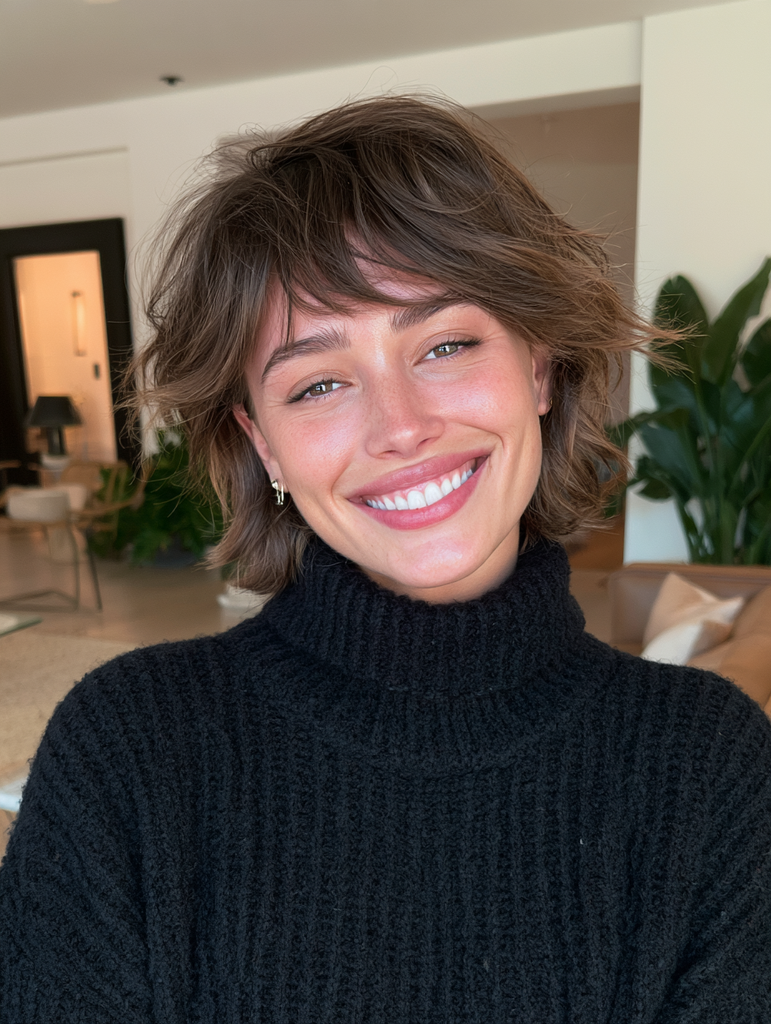
Use your fingers to arrange the crown and longer front sections after drying. The hair can remain tousled, side-swept, or tucked behind the ears depending on the occasion. This adaptable shape provides short-hair convenience while avoiding the limited styling possibilities sometimes associated with extremely close crops.
One-Length Medium Cut
A one-length medium haircut avoids complicated layering and uses the natural weight of thick hair to create a controlled silhouette. Finishing around the shoulders or collarbones provides enough length for movement while keeping the overall shape straightforward and relatively easy to maintain.
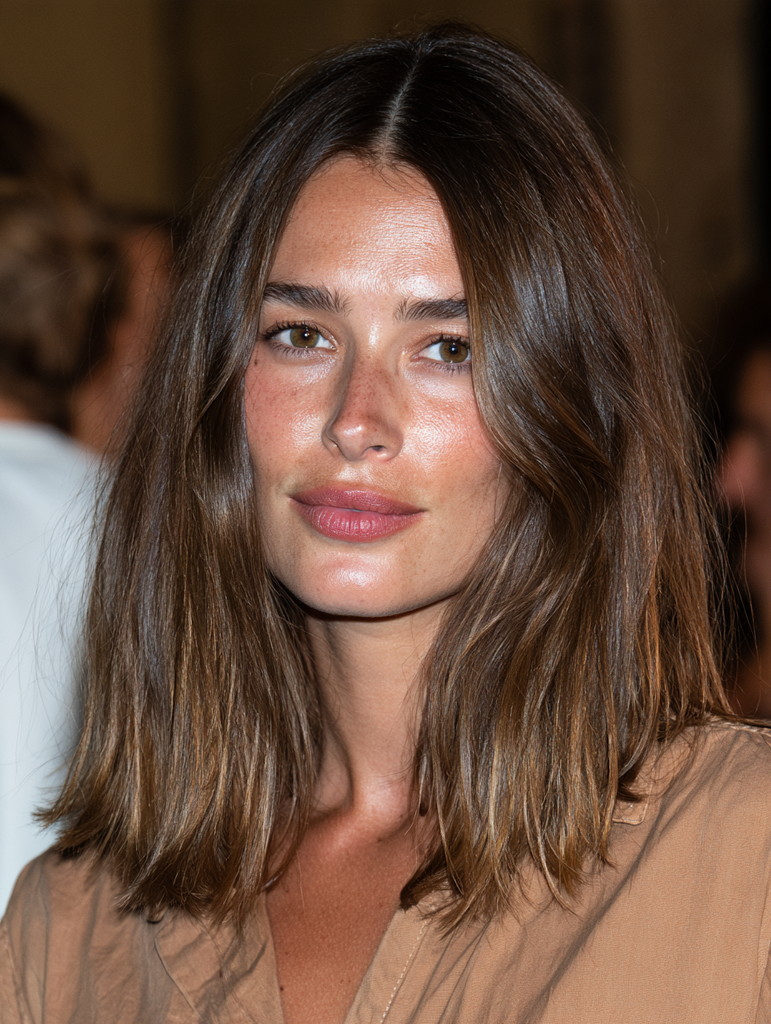
A strong perimeter can look polished with straight, softly wavy, or naturally textured finishes. When extra movement is wanted, a few broad bends through the ends are usually sufficient. Its simplicity also supports uncomplicated grow-out, making this style particularly appealing when reducing salon visits and daily styling effort are important priorities.
How to Style Low Maintenance Hairstyles for Thick Hair
Start with a haircut that addresses density before relying on styling products to control it. Internal layering, long layers, subtle graduation, or carefully tapered sections can remove weight where necessary. However, aggressive thinning may create short pieces that expand unexpectedly, so weight removal should remain purposeful and suited to natural texture.
Keep the everyday routine simple with lightweight smoothing cream, leave-in conditioner, mousse, or texture-enhancing products when needed. Air-drying can reduce styling time for suitable textures, while refining only the front and outer sections provides a polished finish without completely restyling the hair. Simple clips, ponytails, and half-up styles also make longer cuts especially convenient.
Final Thoughts
Low maintenance hairstyles for thick hair can include much more than basic short cuts. Layered lobs, medium shags, tapered pixies, rounded bobs, long layers, and one-length styles all offer practical ways to control density while preserving natural fullness.
The most successful option should complement your texture, growth pattern, preferred length, and realistic daily routine. Thick hair does not need excessive layering simply because it has greater density. Thoughtful weight distribution can preserve its richness while making washing, drying, styling, and growing the haircut considerably easier to manage.
