Shag hairstyles for thin fine hair over 50 can create movement, texture, and visible fullness without making delicate strands feel heavily styled. The secret is controlled layering. Rather than removing excessive weight, strategically placed layers around the crown and face can encourage lift while leaving enough density through the ends to maintain a healthy, substantial appearance.
Modern shags are also far more versatile than heavily feathered versions from previous decades. They can be short and playful, shoulder-length and flowing, softly waved, or combined with different fringe styles. These 13 ideas focus on balanced layering, manageable texture, and contemporary shapes that help fine hair appear lively while complementing women over 50 beautifully.
The Layering Strategy That Keeps Modern Shags Relevant
The shag remains appealing because its layered foundation can be adjusted to accommodate different densities, textures, and lengths. Fine hair does not require extremely aggressive layering to achieve movement. Subtle crown elevation, face-framing pieces, and softly textured ends can provide enough dimension while protecting valuable fullness.
That flexibility also allows the haircut to change naturally over time. Bangs can grow into curtain fringe, shorter layers can transition into medium lengths, and straight finishes can become softly waved. A carefully designed shag therefore provides versatility without depending entirely on one temporary styling trend.
Soft Short Shag With Wispy Bangs
A short shag with restrained crown layers can give fine hair noticeable movement without making the lower sections appear sparse. Wispy bangs provide light forehead coverage while preserving enough hair within the main shape, creating an airy and flattering frame for women over 50.

Apply lightweight mousse near the roots before blow-drying with your fingers for gentle elevation. Keep the fringe separated rather than forming a dense horizontal section. Slightly tousled ends reinforce the relaxed character of this haircut while helping delicate strands appear more animated and naturally full.
Shoulder-Length Shag With Curtain Bangs
Shoulder length provides enough hair for flowing movement while remaining manageable for fine strands. Soft shag layers introduce dimension through the crown and middle lengths, while curtain bangs open around the forehead and gradually blend into longer face-framing sections.

Use a round brush to direct the fringe away from the center, then create broad bends through selected layers. Avoid curling every section identically because natural variation makes the haircut appear fuller. Keeping the lowest perimeter relatively substantial also prevents the longer shag from developing thin, overly feathered ends.
Layered Shaggy Bob
Combining a bob foundation with shag-inspired layering creates a compact haircut with lively movement. Shorter crown pieces encourage natural lift, while a stronger bob perimeter preserves visual density through the ends. This balance is particularly useful when fine hair needs texture without excessive weight removal.

Work volumizing mousse through damp roots before drying with gentle elevation. Separate selected upper layers using your fingertips while leaving the baseline relatively controlled. The resulting hairstyle feels relaxed and contemporary, providing enough structure for polished occasions while remaining easy to tousle for casual everyday wear.
Wavy Shag With Side Fringe
Loose waves create dimension between fine strands, while shag layering prevents the hairstyle from becoming flat through the crown. A side fringe introduces diagonal movement across the forehead and blends naturally into the textured sides, creating a soft and flexible overall silhouette.

Form broad alternating waves through the middle lengths and keep several ends straighter for a contemporary finish. Direct the fringe sideways with light root elevation. A restrained amount of texture spray can enhance separation without making delicate hair stiff, sticky, or unnecessarily weighed down.
Feathered Shag With Crown Lift
Soft feathering around the crown can provide fine hair with visible elevation while maintaining enough length through the sides and ends. Longer feathered pieces around the face introduce movement without creating the excessively thin appearance associated with aggressive razor cutting.

Blow-dry the upper sections away from the scalp using a medium round brush, then direct the face-framing pieces outward. Keep the finished texture flexible instead of spraying it heavily into position. This updated feathered shag delivers softness and body while maintaining a polished appearance suitable for women over 50.
Chin-Length Shag With Soft Layers
A chin-length shag keeps fine strands compact, reducing the downward weight that can make delicate hair appear flat. Soft layers provide crown movement, while a relatively substantial lower outline ensures the haircut retains enough density to avoid looking overly wispy.

Use lightweight root spray before drying, then encourage gentle bends through selected sections with a small round brush. Avoid separating every layer dramatically because controlled texture maintains a fuller silhouette. This shorter shag offers easy maintenance while still providing the movement and personality associated with layered hairstyles.
Shaggy Pixie Bob
A shaggy pixie bob combines shorter crown layers with slightly longer sections around the ears, temples, and neckline. The varied lengths create natural movement, while retaining additional front hair provides softness and prevents fine strands from appearing excessively cropped or sparse.

Lift the crown gently during blow-drying and sweep longer front sections toward one side or away from the face. A small amount of styling cream can define selected pieces without flattening the roots. This hybrid haircut offers practical short-hair maintenance alongside enough texture for varied everyday styling.
Medium Shag With Face-Framing Layers
A medium shag can work beautifully for fine hair when its layers remain controlled rather than aggressively thinned. Face-framing pieces create movement around the cheekbones and jaw, while subtle crown layers provide lift without sacrificing too much density through the lower lengths.

Style the front sections away from the face using a round brush, then add gentle bends throughout the remaining hair. Keeping the perimeter relatively strong helps the hairstyle appear substantial. This versatile length also allows occasional ponytails or half-up styles, providing useful flexibility for changing routines.
Curly Shag With Light Fringe
Natural curls can bring valuable dimension to fine hair, and carefully positioned shag layers help distribute that movement throughout the silhouette. A light curly fringe adds softness around the forehead without requiring a large section of hair that could reduce fullness elsewhere.

Apply lightweight curl-defining product to damp strands, then allow the curls to form without excessive manipulation. Once dry, gently lift the roots around the crown for additional volume. Keeping the fringe naturally separated creates an expressive, relaxed finish that celebrates texture while maintaining balanced density.
Side-Parted Shag With Long Bangs
A deeper side part can instantly create root lift by shifting fine strands away from their usual position. Long bangs continue that diagonal movement across the forehead, while subtle shag layers provide additional texture through the crown and sides without dramatically reducing density.
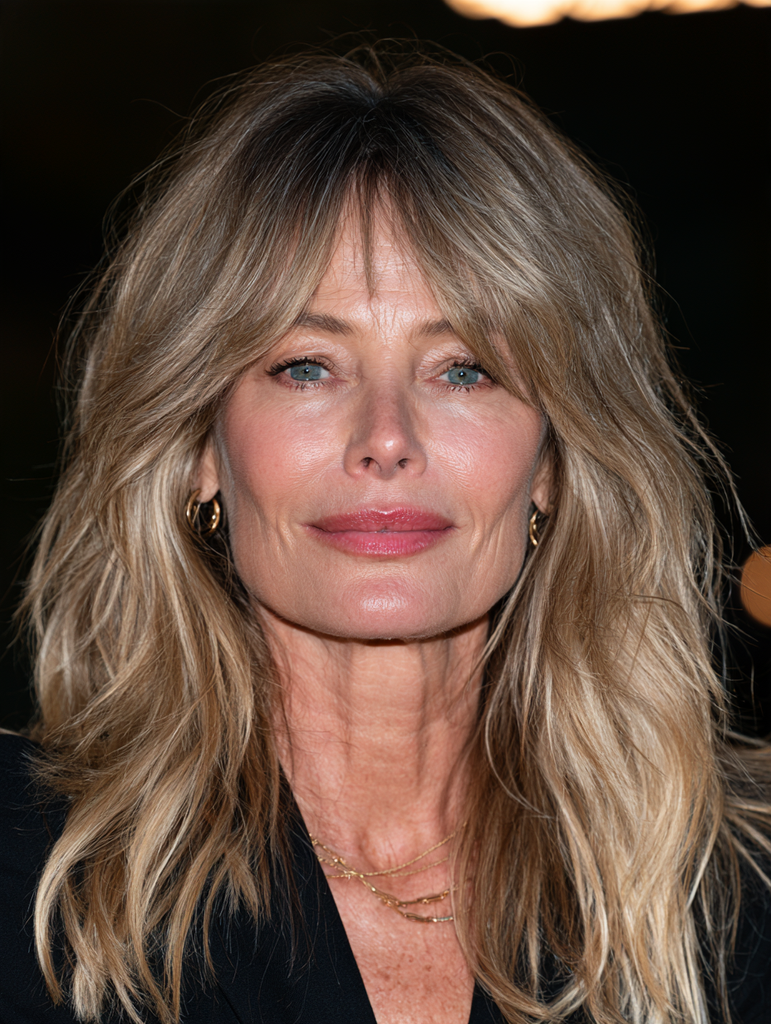
Create the part while the hair is damp, then blow-dry the heavier section upward before sweeping it sideways. Keep the remaining layers softly separated and flexible. This simple styling strategy gives a medium or shorter shag noticeable movement while preserving a sophisticated, wearable appearance.
Tousled Shag With Bottleneck Bangs
Bottleneck bangs begin shorter through the center and gradually lengthen toward the sides, blending naturally into a tousled shag. Their curved shape provides face-framing softness, while controlled crown layers create texture and volume that can make fine hair appear more substantial.

Direct the longer edges of the fringe outward using a round brush, then gently tousle the remaining layers with your fingers. Avoid applying heavy wax through the ends. Lightweight texture products can provide enough grip to maintain movement while allowing delicate strands to remain soft and responsive.
Collarbone Shag With Soft Waves
A collarbone shag offers additional length while maintaining enough layering to prevent fine hair from appearing completely flat. Soft waves create dimension through the middle and lower sections, while restrained crown layers encourage movement without compromising the density of the perimeter.
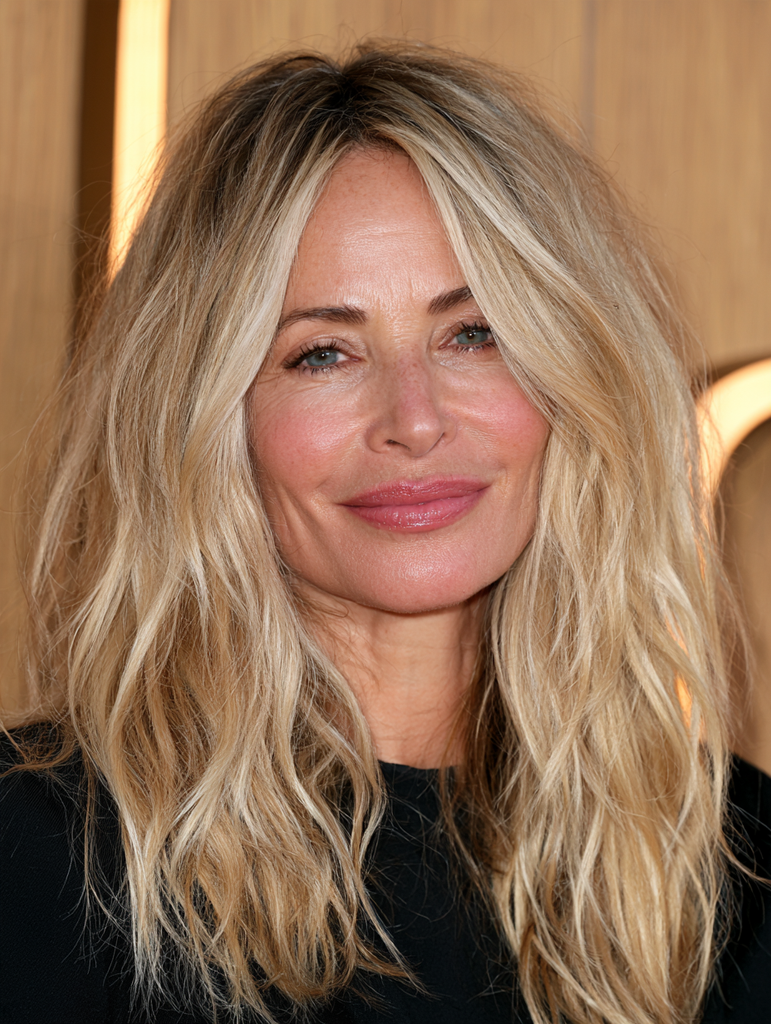
Use volumizing mousse at the roots, then create broad waves through selected lengths once the hair is dry. Leave several ends straighter for a less uniform finish. This longer variation is ideal for women who enjoy the personality of a shag but prefer retaining versatile, shoulder-skimming length.
Airy Shag With Side-Swept Bangs
An airy shag relies on lightweight movement rather than heavily carved layers, making it particularly suitable for delicate hair. Side-swept bangs create soft framing across the forehead, while carefully elevated crown sections give the hairstyle visible body without demanding excessive teasing.
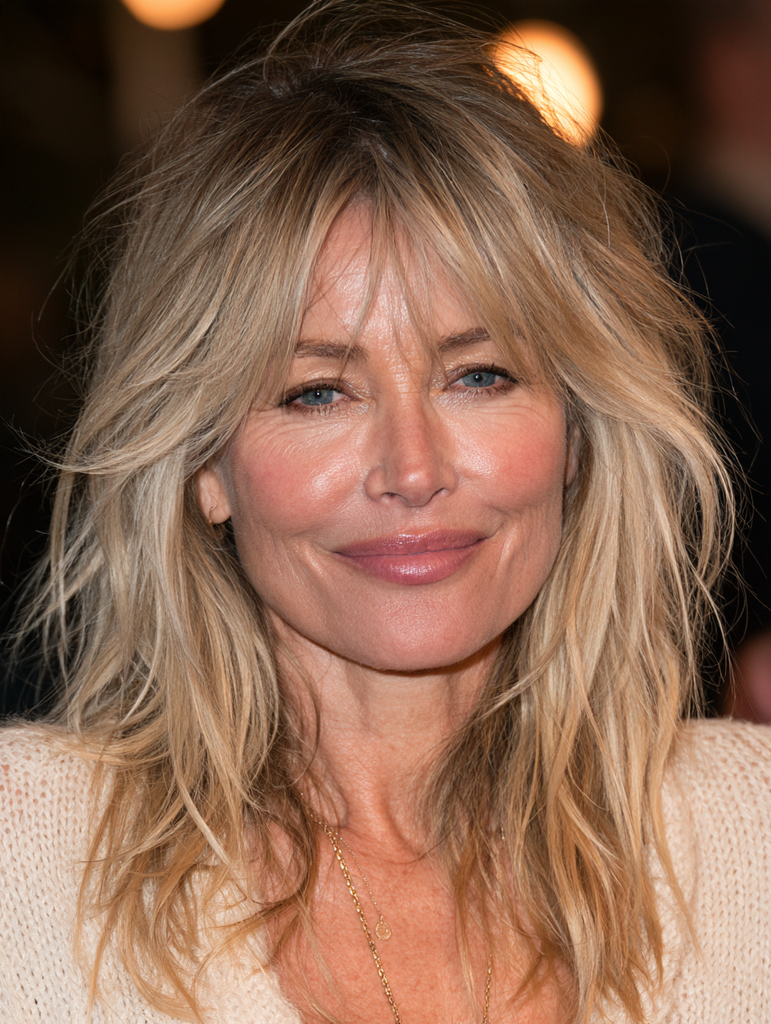
Blow-dry the roots against their natural direction, then gently sweep the fringe sideways. Use your fingertips to separate only selected pieces through the crown and sides. Keeping the ends relatively substantial helps balance the airy upper texture, producing a shag that appears lively without sacrificing valuable visual density.
How to Style Shag Hairstyles for Thin Fine Hair Over 50
Start with lightweight volumizing mousse or root spray, concentrating most of the product near the scalp. Blow-dry the crown with gentle elevation and use your fingers or a round brush to encourage movement through the layers. Soft waves can provide extra dimension, but they should remain loose enough to prevent excessive separation.
Fine hair generally benefits from restrained product use. Heavy creams, oils, and waxes can collapse the volume created by shag layers. Avoid aggressive thinning when density is limited, and maintain regular trims so the layers continue supporting one another rather than becoming long, disconnected, or noticeably sparse.
Final Thoughts
Shag hairstyles for thin fine hair over 50 can provide impressive movement when layering is carefully controlled. Short shaggy bobs, curtain-fringe cuts, feathered shapes, curly shags, and collarbone variations each offer different ways to create texture while maintaining enough density for a fuller-looking result.
The ideal shag should complement your natural texture and realistic styling routine rather than depend on constant teasing or complicated products. Strategic crown layers, flexible fringe, and stronger lower sections can create a balanced silhouette that feels light and expressive. With thoughtful shaping, fine hair can look dimensional, contemporary, and naturally energetic.
